Legnica: from the 1241 battle to "Little Moscow"
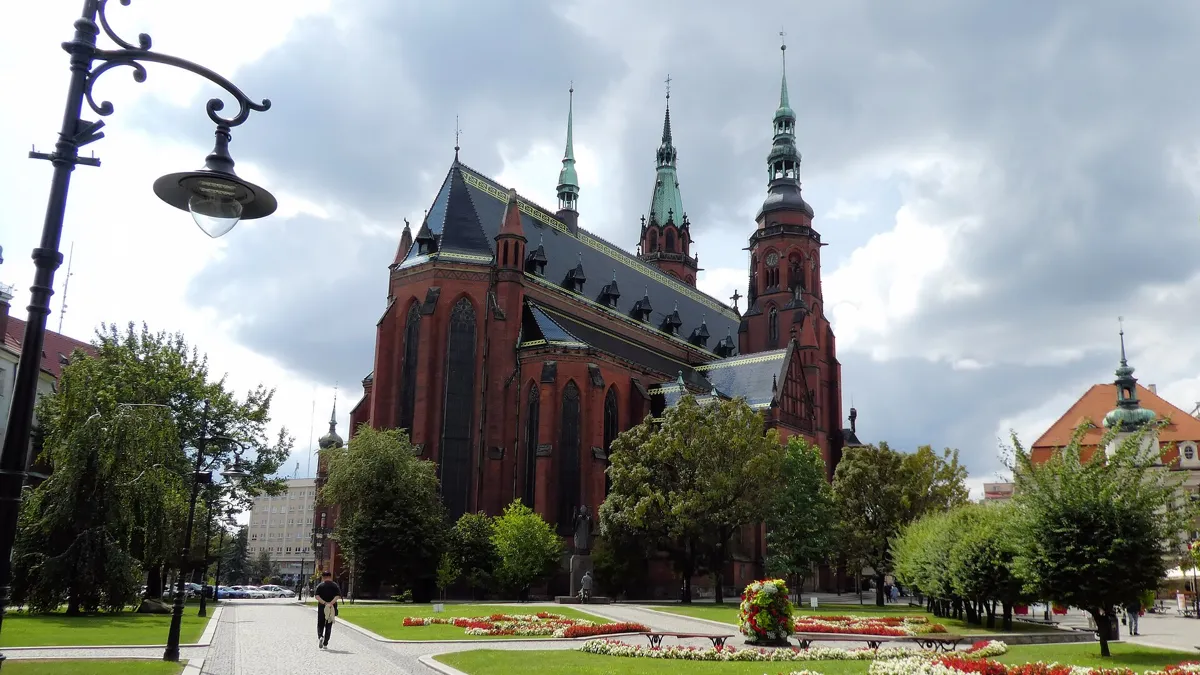
Legnica is easy to miss on a map of Lower Silesia, and that is a shame, because few towns of its size carry as many layers of history. A medieval battle, a dukedom that lasted for centuries, a Prussian garrison town and, within living memory, a place where much of the town belonged to a foreign army. All of it is within walking distance of the main square.
1241: the battle at Legnickie Pole
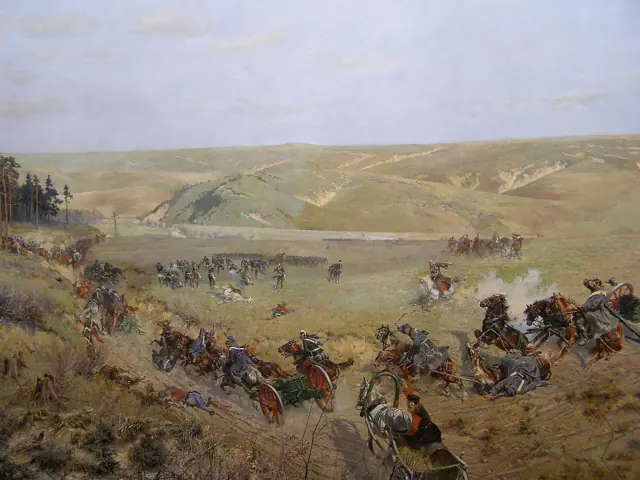
On 9 April 1241 a Polish and German army led by Henry II the Pious, Duke of Silesia, met a Mongol force near Legnica, at the place now called Legnickie Pole. The Mongols won, and Henry was killed. The battle is among the best-known events in medieval Polish history, even though historians still argue over the details, including how big the armies really were.
The Mongols did not stay. They moved on, and the dukes of Silesia kept their lands. Henry's death did not end the Silesian Piasts. In fact the line of the dukes of Legnica ruled here for centuries, until the last of them died in 1675.
A town of many rulers
After the Piasts, Legnica passed to the Habsburgs and then, in the eighteenth century, to Prussia. For most of the next two centuries it was the German town of Liegnitz. In 1945 it became part of Poland, and the German population left or was expelled.
"Little Moscow"
The most surprising chapter came after the war. Legnica became the headquarters of the Soviet Northern Group of Forces, and large parts of the town were closed to ordinary Poles for decades. The town was nicknamed "Little Moscow". The troops left in 1993, and traces of that period remain in parts of the town.
What to see on a walk
- The Piast Castle, a reminder that Legnica was once a ducal capital.
- The market square, with its arcaded houses and the town hall.
- The streets away from the centre, where Prussian and Soviet-era architecture sit side by side.
- Legnickie Pole, if you have a few hours, for the site of the battle itself.
Why Legnica
A town that has been Piast, Habsburg, Prussian, German, Polish and Soviet-occupied in turn does not have a single story. It has several, stacked on top of each other, and they surface at the corners: a plaque in one language, a façade in another, a street name that changed. That is exactly the kind of place that rewards a walk with a good story at every stop.