Wrocław dwarfs: where to find them and how to plan a hunt
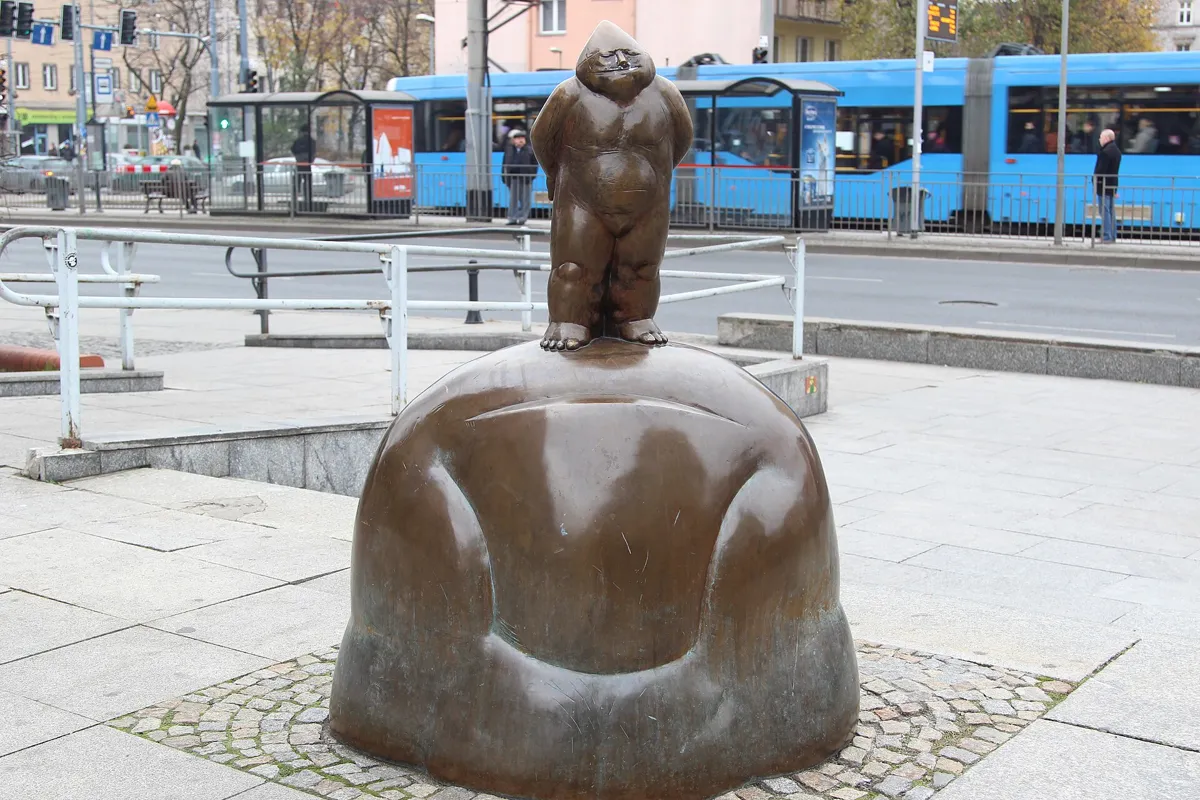
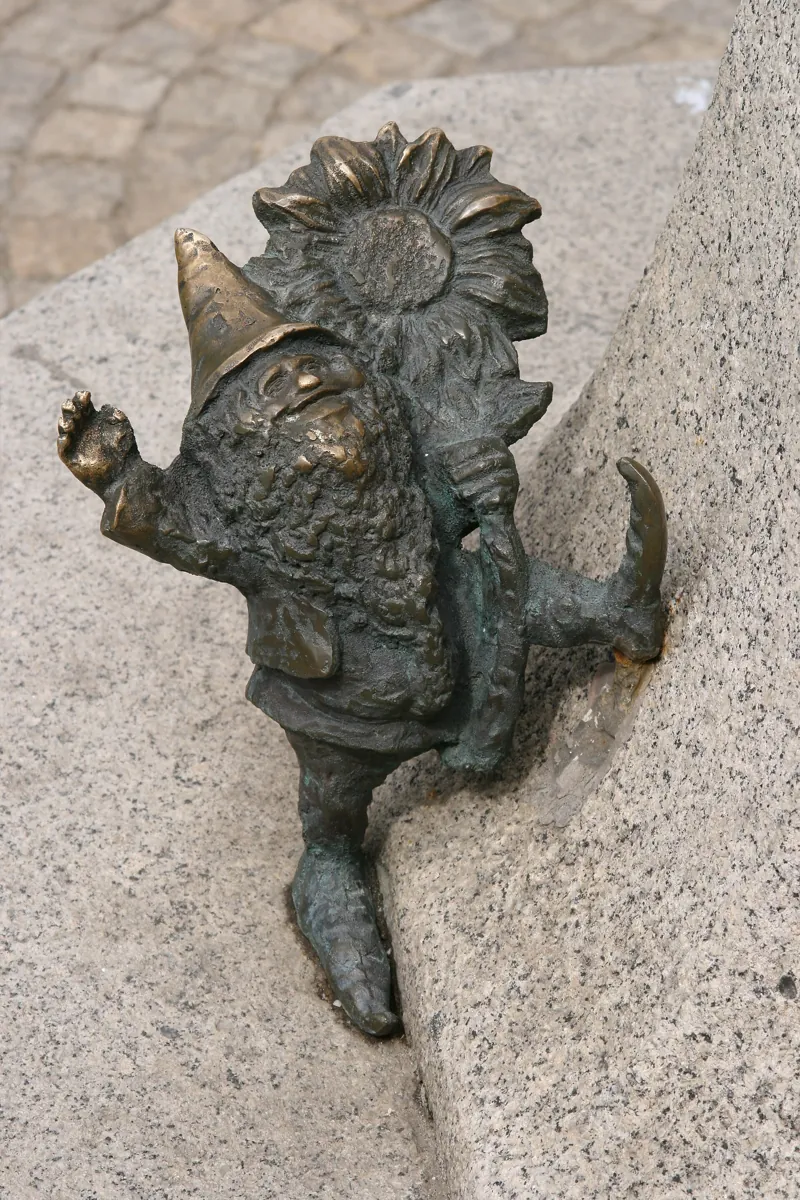
Ask five people how many dwarfs there are in Wrocław and you will get five answers. Sources range from a few hundred to more than a thousand, depending on whether you count only the official bronze figures or every small one that has turned up on a windowsill, and the number keeps growing. That is the first thing to know: a dwarf hunt in Wrocław cannot be finished, so plan for a good walk, not a full collection.
Where should you start?
Start with Papa Krasnal, the first bronze dwarf, set up in 2001 on Świdnicka Street. It is a tribute to the Orange Alternative, the 1980s protest movement that painted dwarfs over the patches where the authorities had covered up anti-regime graffiti. Everything after it follows from that joke, and knowing it changes how you read the rest.
How do you plan a dwarf hunt?
Group the dwarfs by area instead of chasing a list across the city:
- The Old Town. The densest cluster, around the Market Square and Świdnicka Street. Roughly a fifth of the figures on the Wromap map stand within 500 metres of the Market Square, and two hours is enough for a good loop.
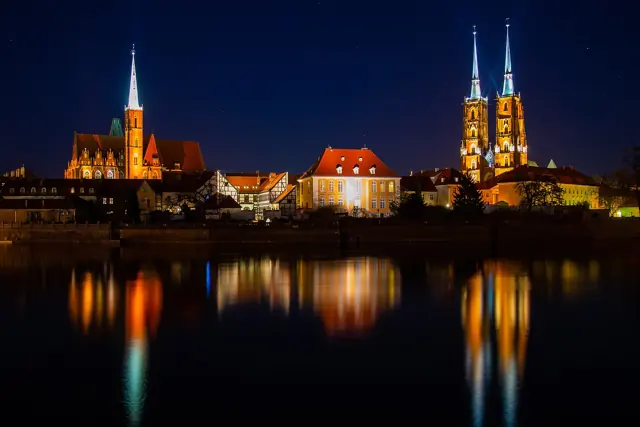
- Ostrów Tumski. Fewer dwarfs, a lovely setting; combine it with the cathedral and the evening gas lamps.
- Other districts. Nadodrze and further out reward a second day, when the novelty of the first has worn off.
A volunteer-run map such as Wromap lists the figures by location, which makes it easy to pick a cluster before you leave.
What makes a hunt work with children?
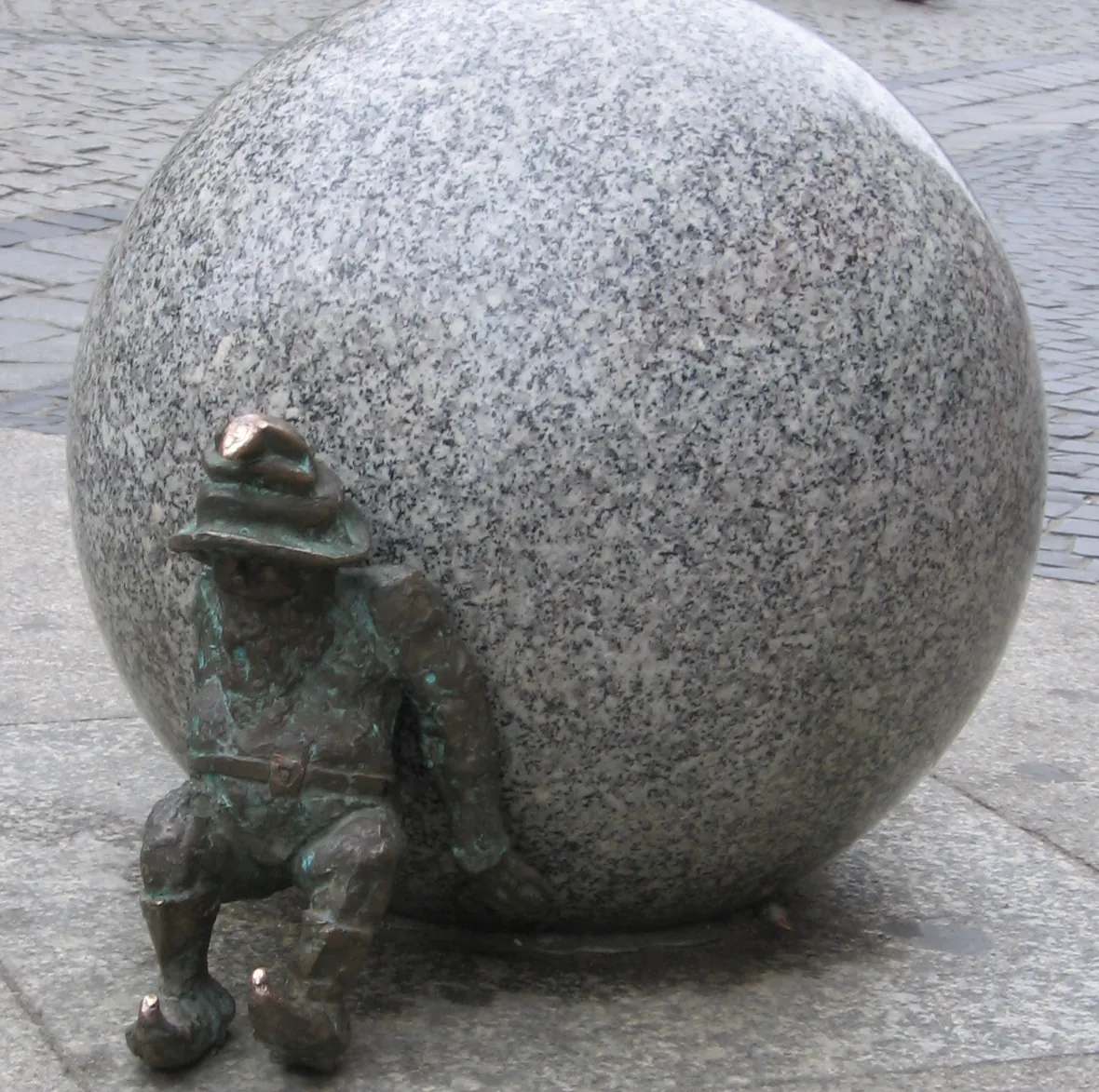
Give them a job. "Find the dwarf holding something" is a better brief than "look for dwarfs", because it makes them read the figure and its setting. Keep the loop short, and let them choose the next one. Most dwarfs sit at kerb height, so the game is looking down.
Is it free?
Yes. The dwarfs stand in the street, so a hunt costs nothing, which is why it pairs well with a free day in Wrocław or the one-day itinerary.
What do the dwarfs tell you about the city?
Most are tied to the spot they sit on, nodding to a shop, a trade or a local story, which makes each one a clue to what the place is or used to be. That is how we built the Hemstig route: a story at each stop and a small thing to find on the spot, so the dwarfs become a reason to read the street.