Historicism in Wrocław: six buildings in borrowed costumes
In the 19th century the railway came to Breslau, and with it money, offices and new buildings. The new buildings needed a style, and the architects borrowed it from the past. That is historicism: a modern function in a historical costume.
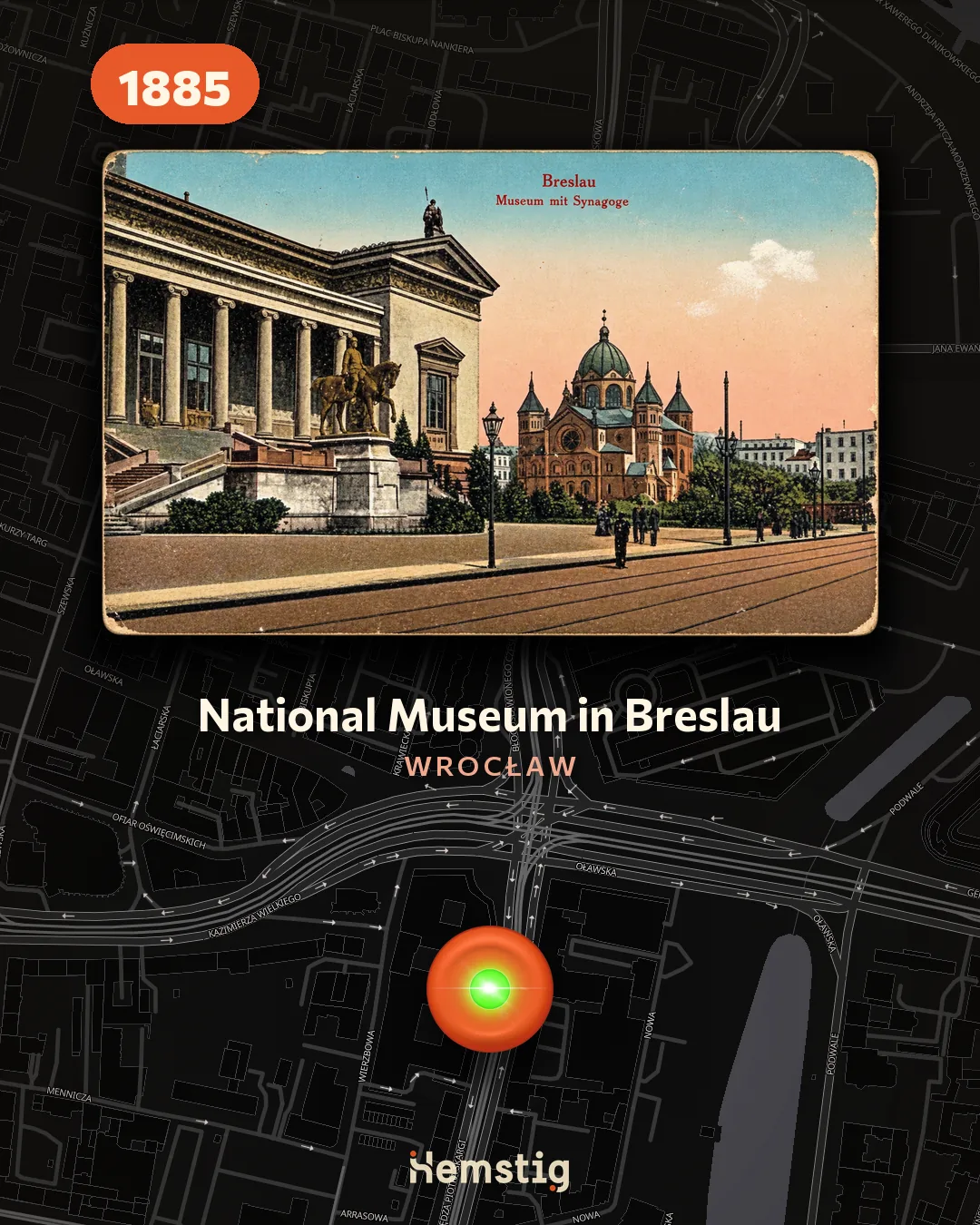
What are the two costumes of Wrocław's historicism?
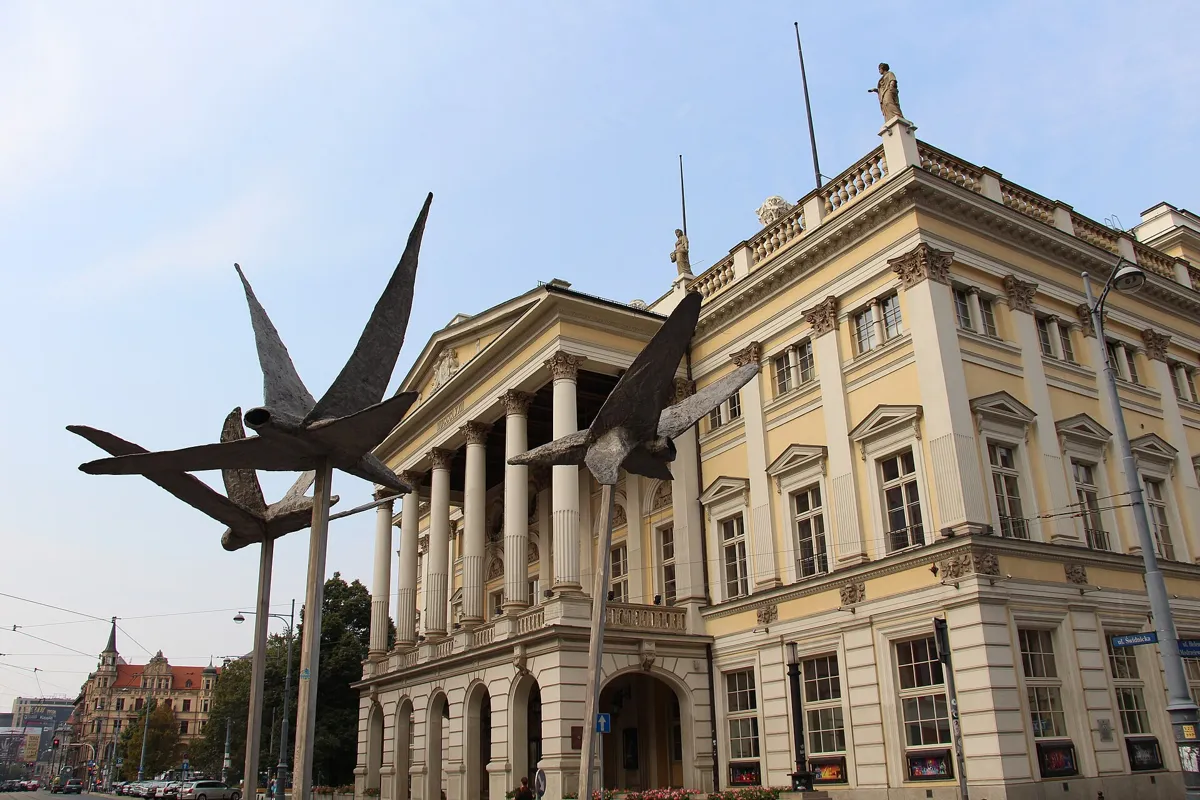
The first is antiquity. In the 1820s to 1840s Carl Ferdinand Langhans built an exchange, a synagogue and an opera: columns and pediments like Greek temples and Italian palaces. The second is the Renaissance: Świebodzki station, a museum in the building of the Prussian administration and a polytechnic with gables copied from Silesian castles.
The six buildings
- Old Stock Exchange: Langhans's exchange of 1822–1824 with a coat of arms of a single letter.
- Synagogue Under the White Stork: classical facade, 1827–1829.
- Wrocław Opera: a theatre of 1839–1841 that burned twice.
- Świebodzki Station: Italian Renaissance for the railway.
- National Museum: a neo-Renaissance building with Dutch gables.
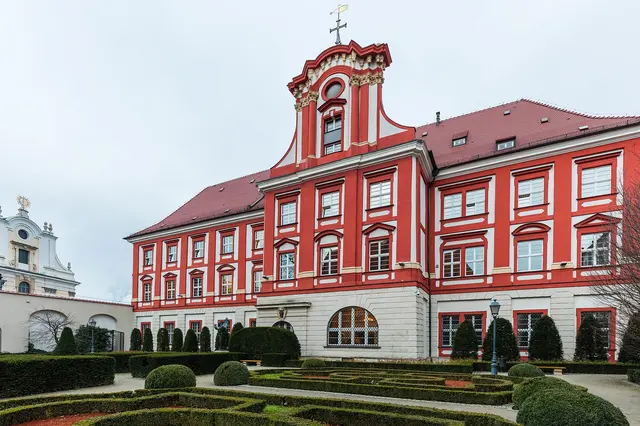
- Wrocław University of Science and Technology: gables copied from Silesian castles.
How to walk it
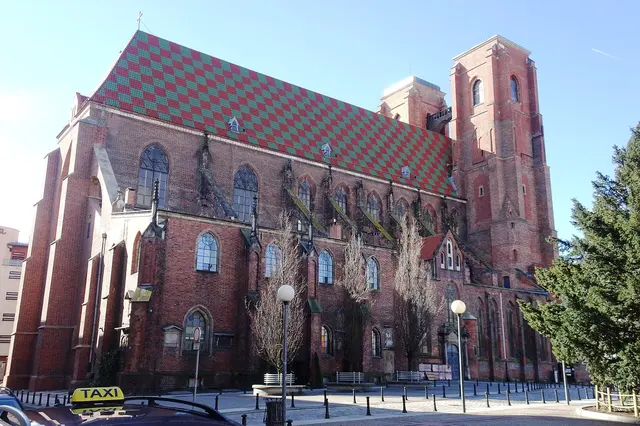
The map leads nowhere in particular. Most of the points are in the centre, the polytechnic further out, so start with the nearest. All buildings are listed under Buildings. The Gothic costume is on another style map: see Brick Gothic in Wrocław.
Collect it as postcards
Each building is a spot on the Hemstig Historicism style map, with a short story and a postcard for your collection.