Famous women of Wrocław: 19 remarkable lives from a street exhibition
In central Wrocław, on the pedestrian streets near Oławska, stands a row of free-standing boards with a portrait and a short text about one woman each. The series, Pionierki, liderki, wojowniczki Wrocławia ("Pioneers, leaders and fighters of Wrocław"), is part of the Wrocław Women's Chronicles project of the Freya Foundation, co-financed by the City of Wrocław.
Nineteen women, nineteen very different lives: a neurosurgeon who left Germany in 1933, the first woman on Everest from Europe, a poet who won Poland's top literary prize at 93, a racing driver, a singer, a pastor in a concentration camp. Here is who they were, grouped by what they did.
Science and medicine
Clara Immerwahr-Haber: the first woman doctor of chemistry in Wrocław
1870–1915
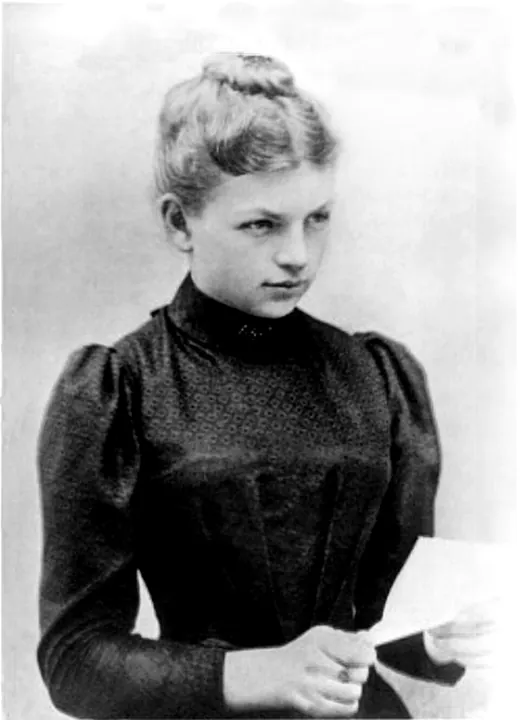
Clara Immerwahr was born in 1870 on an estate near Wrocław into a wealthy Jewish family. In the mid-1890s the university let women attend lectures as guests, and at about 26 she took the chance, enduring the doubts of professors and the jokes of fellow students. With the physical chemist Richard Abegg as her mentor she defended a thesis on poorly soluble salts of mercury, copper, lead, cadmium and zinc in 1900, becoming the first woman to earn a doctorate at the University of Wrocław. In 1901 she married the chemist Fritz Haber and gave up her career. She died in 1915. A well-known story says she killed herself in protest at her husband's work on chemical weapons, but historians consider the evidence thin, so her motives are not known for certain.
Hedwig Kohn: a physicist driven out in 1933
1887–1964
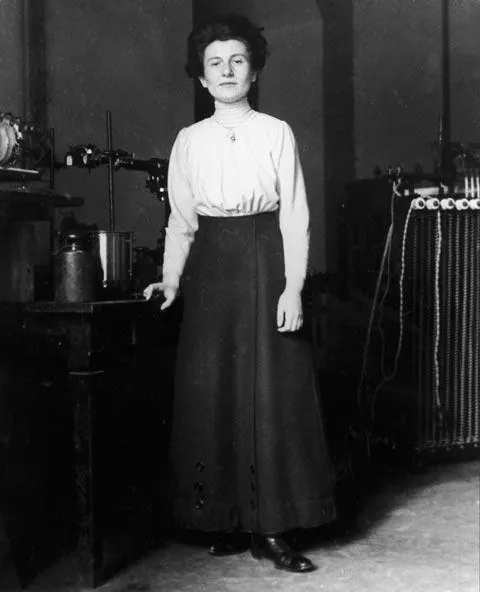
Hedwig Kohn, born in Wrocław in 1887, began physics lectures before women were formally allowed to enrol (sources give 1906 or 1907). She took her doctorate in 1913 under Otto Lummer, stayed at the Physics Institute through the First World War and in 1930 gained her habilitation, one of only three women in Germany to do so in physics before the war. Her research concerned spectroscopy and the measurement of light. In 1933 Nazi civil-service rules cost her the post, and her only brother was later murdered. In 1940 she left via Sweden and the Soviet Union for the United States, where she became a professor at Wellesley College and died in 1964.
Alice Ellen Rosenstein: Germany's first woman neurosurgeon
1898–1991
Alice Rosenstein, born in Breslau in 1898, was the daughter of the head of the gynaecology department at the Jewish Hospital. After taking her doctorate in 1923 she joined Otfrid Foerster's neurology department, where he praised her surgical skill and her talent for drawing operation sketches. In Frankfurt she led the X-ray department and performed 71 neurosurgical operations, which earned her the title of Germany's first woman neurosurgeon. Dismissed in 1933, she emigrated to New York, later practised under the name Alice Rost and in 1943 joined the US Army Medical Corps, training its first female unit. She died in 1991.
Bogusława Jeżowska-Trzebiatowska: the "mother of rhenium"
1908–1991
Bogusława Jeżowska, born in 1908, decided to study chemistry in Lviv after meeting Marie Curie. In 1931–32 she showed that rhenium appears in chloride complexes with oxidation state five, which the element's discoverers disputed; in 1939 one of them publicly admitted she was right. During the war she ran a chemical plant, protected its Jewish former director Emil Taszner and was later named Righteous Among the Nations. After 1945 she moved to Wrocław, built the Department of Inorganic and Analytical Chemistry from scratch and co-founded the Wrocław school of coordination chemistry. She died in 1991.
Hanna Hirszfeld: who built Lower Silesia's first children's hospital
1884–1964
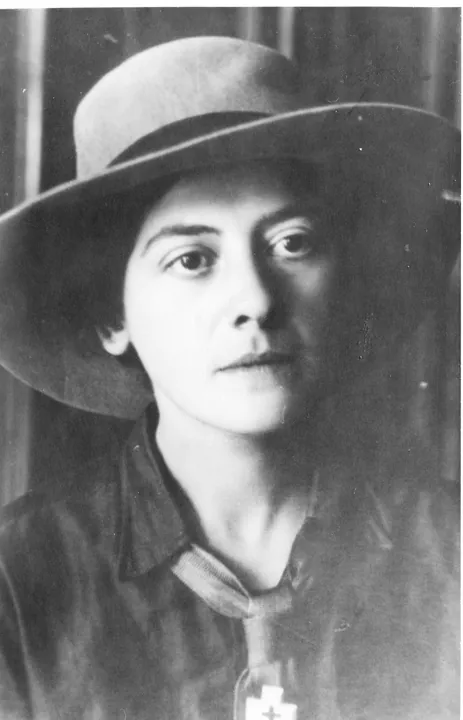
Hanna Hirszfeld, a paediatrician, survived the Warsaw ghetto but lost her daughter in 1943. Arriving in ruined Wrocław in 1945 with her husband, the blood-group researcher Ludwik Hirszfeld, she helped found the Medical Academy, trained its first 520 students and set up Lower Silesia's first paediatric clinic, with wards, a laboratory, a milk kitchen and a crèche. In 1947 she founded a nursing school. Together with her husband she developed early methods for treating haemolytic disease of newborns. She died in 1964.
Zofia Gumińska: who made the Botanical Garden bloom again
1917–2006
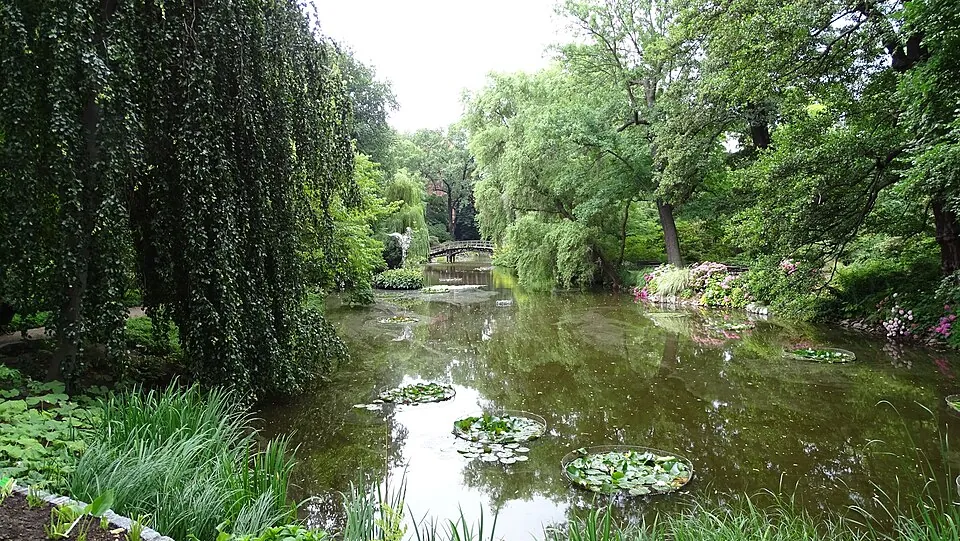
When Zofia Gumińska came to the Wrocław Botanical Garden in 1948, it was strewn with bunkers, trenches and ammunition left from the siege of Festung Breslau. She led its reconstruction, rescued orchids from greenhouses seized by the Red Army and oversaw the rebuilding of the palm house and cactus house. She headed the garden from 1958 and was a pioneer of hydroponics in Poland. The university applied three times to make her a professor, but the communist authorities refused, and in 1972 she was dismissed without explanation. She died in 2006.
Rebuilding the city after 1945
Zofia Gostomska-Zarzycka: the books that rebuilt a city
1899–1952
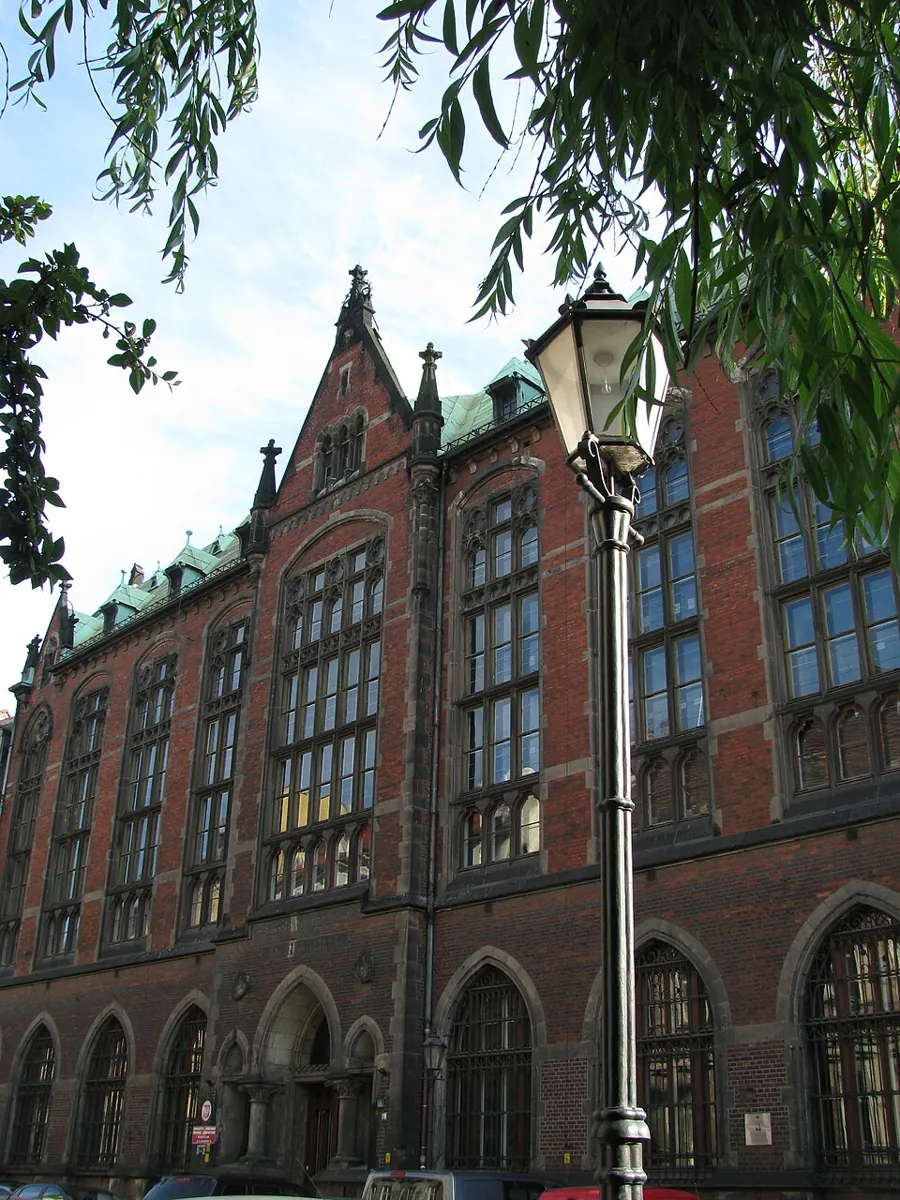
Zofia Gostomska-Zarzycka was a librarian from Przemyśl who had worked in Lviv's Ossolineum and in Canada. In May 1945 she was the only woman in the first pioneer group sent to Wrocław, thanks to her experience with weapons in a city full of unexploded ordnance. She travelled across Lower Silesia to find books and manuscripts hidden in churches, palaces and warehouses, helped by the German conservator Grundmann's list of hiding places, and saved thousands of volumes for the University Library. She founded the Silesian Cabinet and wrote one of the first post-war guidebooks to Wrocław. She died in 1952.
Jadwiga Grabowska-Hawrylak: the architect behind "Manhattan"
1920–2018
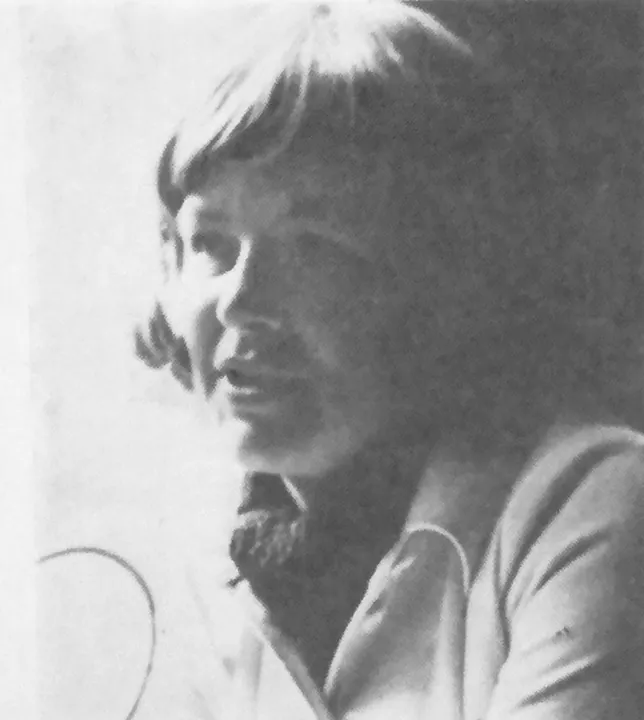
Jadwiga Grabowska-Hawrylak was the first woman to graduate in architecture from Wrocław University of Technology, in 1950. She started by restoring war-damaged tenement houses on the Market Square, then designed housing estates, schools and churches. Her best-known work is the Grunwaldzki Square estate of the 1960s and 70s, nicknamed "Manhattan", a bold brutalist group of tower blocks. In 1974 she became the first woman to receive the Honorary Award of the Association of Polish Architects. She died in 2018.
Courage under the Nazis
Katharina Staritz: Wrocław's first woman city vicar
1903–1953
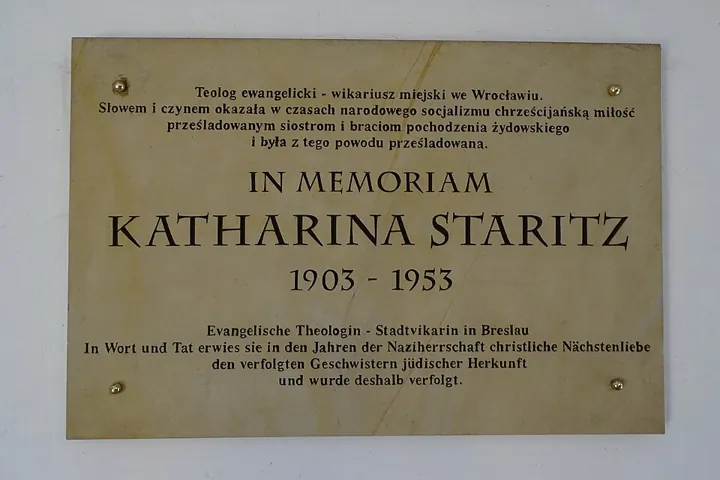
Katharina Staritz, born in Breslau in 1903, took her doctorate in theology in Marburg and from 1932 worked in Wrocław as a city vicar, a post that did not allow her to lead a parish. From 1938 she ran the Wrocław office that helped Christians of Jewish origin to emigrate. After the yellow star became compulsory in 1941 she wrote to Wrocław clergy asking them not to exclude those who had to wear it. She was dismissed, arrested in 1942 and held in the Ravensbrück concentration camp until her conditional release in 1943. She died in Frankfurt in 1953. A plaque in St Mary Magdalene Cathedral commemorates her.
Edith Stein: philosopher, Carmelite and saint
1891–1942
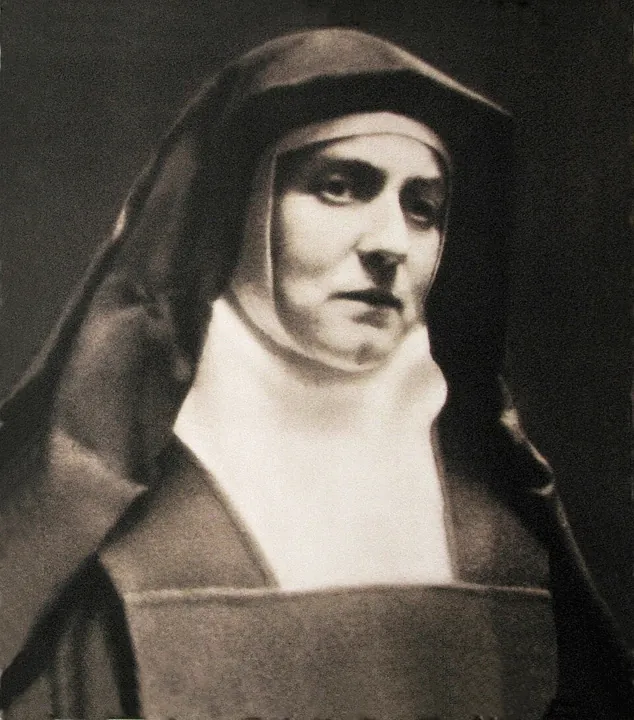
Edith Stein, born in Wrocław in 1891, grew up in a devout Jewish family but declared herself an atheist at 14. She studied in Wrocław and Göttingen, where she became a student and assistant of Edmund Husserl and in 1916 defended a doctorate "On the Problem of Empathy". Because she was a woman, Husserl did not support her habilitation. She was baptised, entered the Carmelite convent in Cologne in 1933 and took the name Teresa Benedicta of the Cross. Arrested with her sister Rosa, she was murdered in Auschwitz-Birkenau on 9 August 1942. She was canonised in 1998.
Public life and the arts
Paula Ollendorf: the first woman on Wrocław's city council
1860–1938
Paula Ollendorf, born in 1860, was a teacher who became the driving force of social care in Wrocław. She founded a home for children born outside marriage and a school for girls, and led the Wrocław branch of the Jewish Women's League, which ran a crèche, a kindergarten and a children's home. After women gained the vote in 1918 she stood for the German Democratic Party and in 1919 became the first woman on the Wrocław City Council. The Nazis destroyed her institutions, and in 1937, aged 77, she emigrated to Palestine. She died in Jerusalem in 1938.
Elfriede Reichelt: a portrait photographer who photographed an emperor
1883–1953
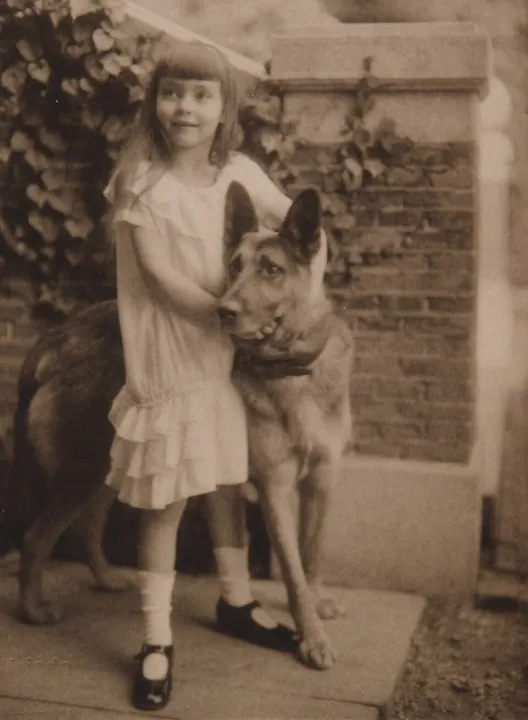
Elfriede Reichelt, born in Wrocław in 1883, was one of the first women to study photography in Munich. Back in Wrocław she opened a portrait studio that photographed local academics, collectors and aristocrats as well as national figures, among them the architect Max Berg and Emperor Wilhelm II in exile in the Netherlands. She also took industrial, landscape and pet photographs, exhibited in the Silesian Museum of Fine Arts in 1925 and belonged to the Deutscher Werkbund. She retired from professional photography in the mid-1930s and died near Munich in 1953.
Urszula Kozioł: the first lady of Wrocław poetry
1931–2025
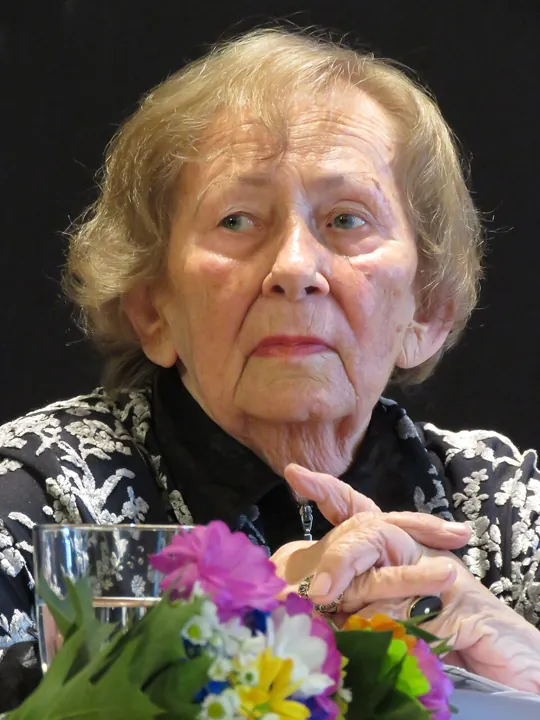
Urszula Kozioł came to Wrocław in the early 1950s to study Polish literature and stayed for life. She taught at schools, then from 1972 to 2022 edited the literary section of the monthly Odra, shaping tastes and discovering new writers, and worked with the Kalambur Student Theatre. Her poems have been translated into many languages. In 2024, at 93, she won the Nike Literary Prize for the collection Raptularz. She died in 2025 and is buried at the St Lawrence cemetery.
Anna German: the singer who studied geology
1936–1982
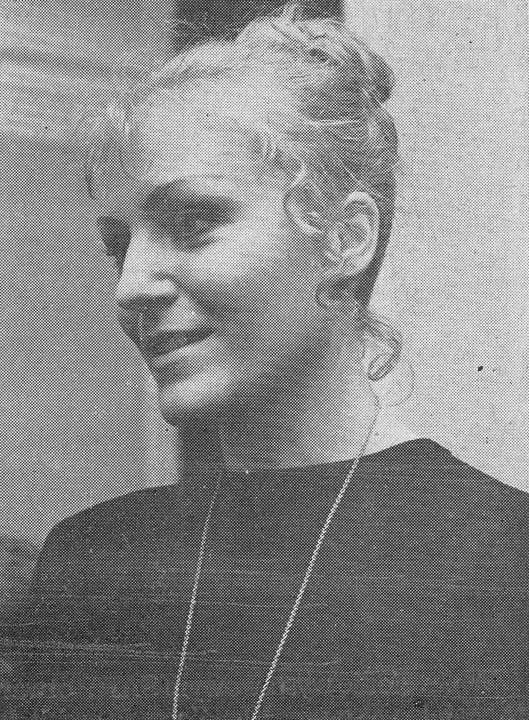
Anna German was born in Uzbekistan in 1936; her father was shot in 1938 when she was two. From 1949 she lived in Wrocław at 5 Trzebnicka Street and studied geology. She debuted in the Kalambur Student Theatre and broke through in 1964 with "Tańczące Eurydyki". She sang in seven languages, won festival prizes in Poland and abroad, and twice, in 1966 and 1969, was voted the most popular Polish singer among Polonia in America. She died in 1982 in Warsaw.
Izabela Skrybant-Dziewiątkowska: the voice of "Pamelo, żegnaj"
1938–2019
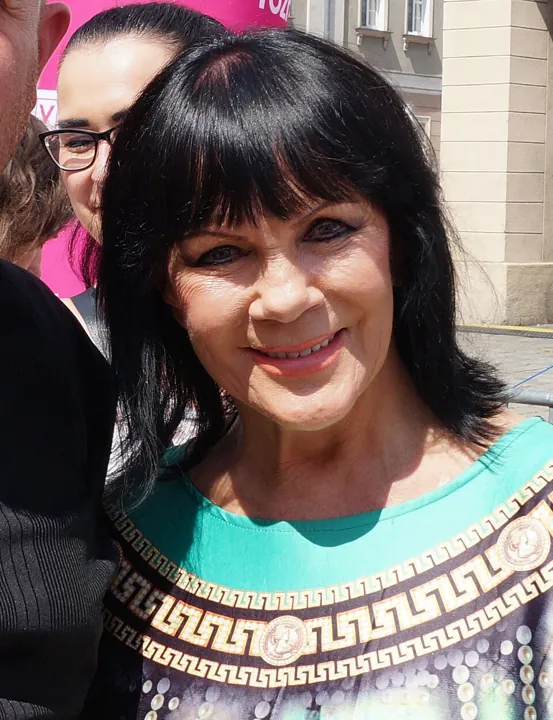
Izabela Skrybant-Dziewiątkowska, born in 1938 in the eastern borderlands, grew up near Wrocław and sang in the Wrocław Operetta. In 1963 she and her husband founded Tercet Egzotyczny, which performed Polish songs in Latin American rhythms and Mexican costume. Critics called it kitsch, but the audience loved it, and "Pamelo, żegnaj" was sung across Poland. The band toured Europe and the USA, including Carnegie Hall. She carried on after her husband's death in 2002 and died in 2019.
Hanna Gucwińska: the zoo's great communicator
1932–2023
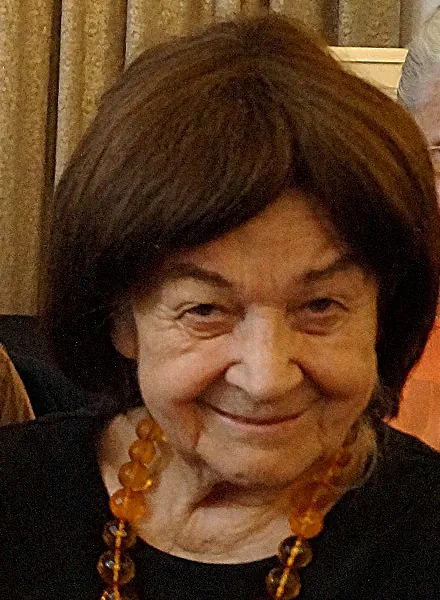
Hanna Gucwińska worked at the Wrocław Zoo from 1957 and, with her husband Antoni, directed it for many years. From 1971 for about three decades they made the television programme Z kamerą wśród zwierząt ("With a Camera Among the Animals"), teaching generations of Poles about animals. She also raised orphaned animals at home, once even a lion cub named Ponte. She received the Order of the Smile, awarded by children, and was elected to the Sejm in 2001. She died in 2023.
Sport and adventure
Ilse Beckmann: the racing driver from a car factory
1898–1988
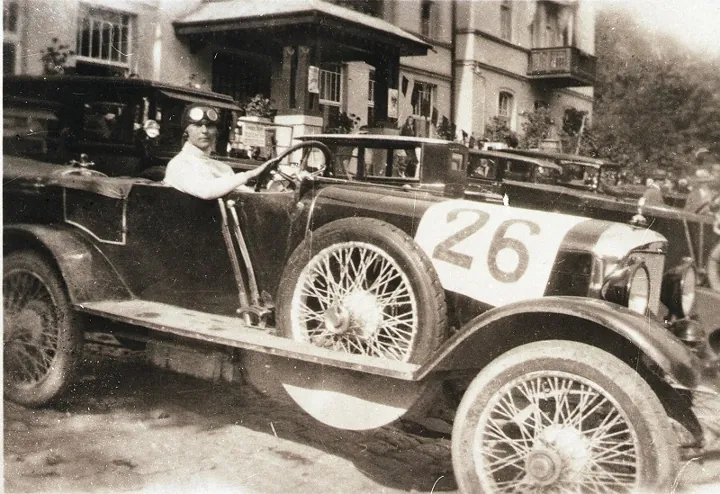
Ilse Beckmann, born in 1898, was the daughter of the owner of one of Wrocław's car factories, which had its own test track. She began racing in 1922 in a red Beckmann SL 40. In 1927 she was second in the "Around Upper Silesia" race and won "Around Ślęża"; in the Karkonosze race she was the only woman in the field. She stopped driving after her red car mysteriously burned in Szczecin, and she left Wrocław in January 1945 on one of the last trains. She died in 1988.
Teresa Swędrowska: a symbol of Ślęza Wrocław basketball
1959–2012
Teresa Swędrowska wore number 7 for Ślęza Wrocław, with which she won the club's first Polish championship in 1987. She played 120 matches for Poland, including the 1983 World Championships, and over 270 for Ślęza, scoring nearly 6,000 points. In 1989 she became the first foreign player at the French club Bourges Basket. Injuries ended her career at 36, after which she lectured at the Academy of Physical Education and served as a league commissioner. She died in 2012. A tournament in Wrocław is held in her memory.
Wanda Rutkiewicz: from the rocks of Lower Silesia to Everest and K2
1943–1992
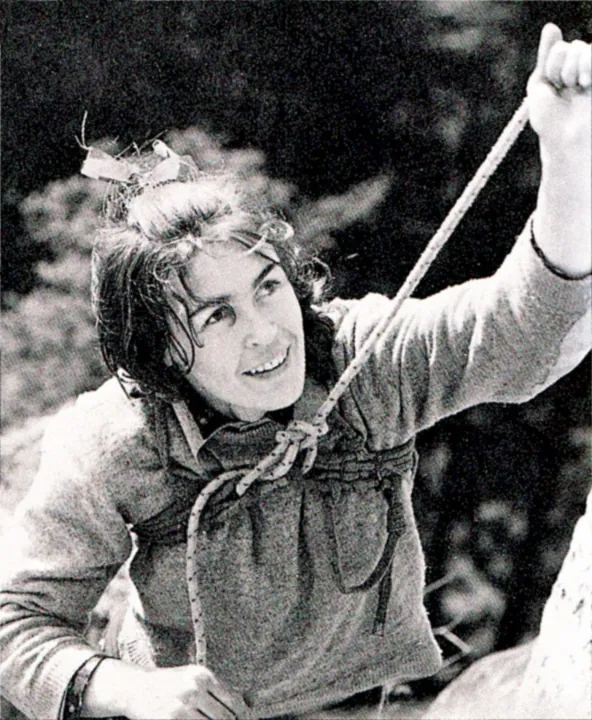
Wanda Rutkiewicz studied electronics in Wrocław, played top-division volleyball and began climbing on the rocks near Jelenia Góra. On 16 October 1978 she became the first Pole, the first European woman and the third woman in the world to reach the summit of Everest. In 1986 she was the first woman on K2. She planned to climb all fourteen eight-thousanders and had reached eight when she vanished on Kangchenjunga in May 1992.
How to see them
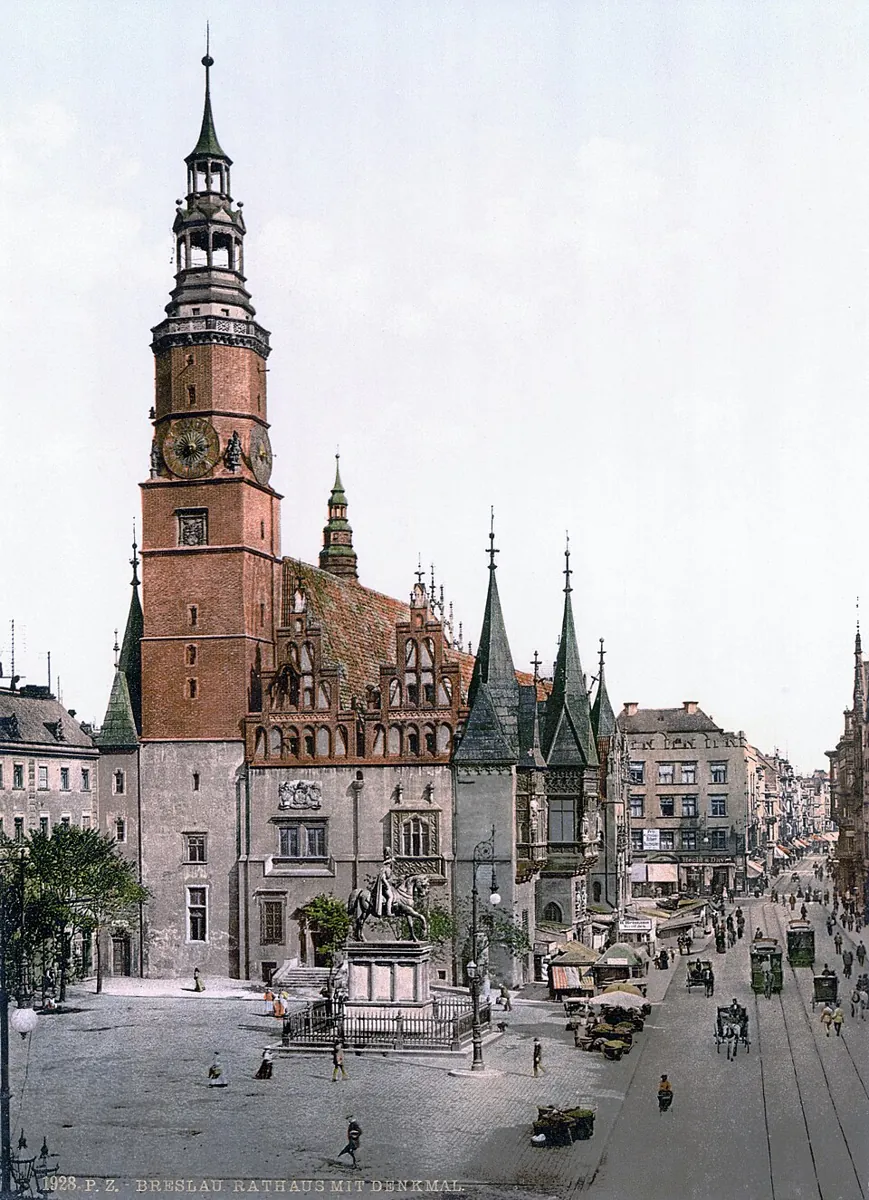
The boards stand along the pedestrian streets near Oławska in the city centre. Each has a small photograph of a place connected with the woman and a QR code that leads to a longer story on the project's website. All details come from the boards themselves, Wikipedia and the Wrocław Women's Chronicles website; where sources disagree, we say so.